Guide
Niacinamide: what the research shows and how to use it
Niacinamide (vitamin B3) can reduce surface oil, improve the look of pores and texture, and fade dark marks over 4 to 12 weeks. Studies used 2% to 5%; higher strengths aren't needed and can irritate some skin.
What is niacinamide?
It's a form of vitamin B3. Skincare uses it because it's stable, cheap, works alongside most other ingredients, and is tolerated by most skin types from the first week. You'll find it in serums, moisturisers and even cleansers.
What does niacinamide actually do?
Oil
Draelos and colleagues tested a 2% niacinamide moisturiser against placebo. Japanese participants had lower sebum excretion after two and four weeks. In a split-face study with Caucasian participants, surface oil dropped after six weeks, although sebum excretion didn't change significantly.[1] So the effect is real but modest, and it varies between people.
Texture, lines and pores
Bissett and colleagues ran a 12-week, double-blind, split-face study with a 5% niacinamide moisturiser. Participants saw improvements in fine lines, texture, red blotchiness and yellowing compared with the control side.[2]
Dark marks
Hakozaki and colleagues found niacinamide reduced the transfer of pigment to skin cells by 35% to 68% in lab models, and lightened hyperpigmentation after four weeks of use in people.[3] This makes it useful for marks left by breakouts and for mild sun spots.
What strength should you buy?
The studies above used 2% and 5%. Many popular serums are 10%. That isn't wrong, but it isn't necessary, and at 10% some people get stinging or flushing. If you react, use it every second night or move to a moisturiser that contains niacinamide instead of a serum.
| Format | Good for | Example |
|---|---|---|
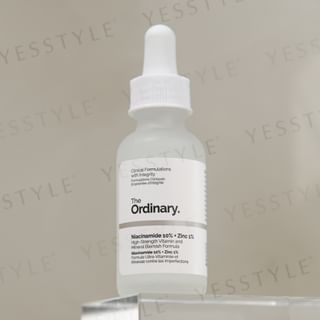
| 10% serum | Oily skin, cheap entry | The Ordinary Niacinamide 10% + Zinc 1% Serum (R190 at YesStyle) |
| Serum with other actives | Dark spots | The Ordinary Alpha Arbutin 2% + HA Serum (R386 at YesStyle) |
| Brightening serum | Dull skin, uneven tone | Abib Bright Force Serum 13.0 Pump 30ml (R370 at YesStyle) |
How to use it
After cleansing, before moisturiser. Three or four drops for the whole face. Morning, night or both. It sits fine under sunscreen.
Can you mix niacinamide with vitamin C?
Yes, for most people. An old warning said the two cancel each other out; that came from lab conditions that don't match how you'd use them on skin. If the combination stings, use vitamin C in the morning and niacinamide at night.
Niacinamide with retinol
They pair well, and niacinamide may make retinol easier to tolerate. Start retinol separately first, though, so you know which product causes any reaction. See our retinol beginner guide.
Niacinamide with acids
Fine in the same routine. If you're using a strong AHA or BHA product, apply the acid first, wait a minute, then niacinamide.
How long until you see results?
Oil changes showed up within two to six weeks in the Draelos study.[1] Texture and spots took longer, with the Bissett study running 12 weeks.[2] Take a photo in the same light on day one and again at week eight. It's the only fair way to judge.
Niacinamide in South African conditions
Niacinamide is a handy ingredient for SA skin because two of the most common local complaints are shine in humid summers and dark marks that sun makes worse. It works on both. It doesn't replace sunscreen: dark marks won't fade much if they keep getting sun.
It's also stable in heat. Some actives, such as pure vitamin C, break down faster in a hot bathroom or a car. Niacinamide holds up well, though storing any skincare out of direct sun is still sensible.
Niacinamide by skin type
| Skin | How to use it |
|---|---|
| Oily | Serum morning and night, under a gel moisturiser |
| Dry | Under a ceramide cream, or in a moisturiser that contains it |
| Acne-prone | At night with a salicylic acid cleanser; add a retinoid later |
| Sensitive or rosacea | Start with 2% to 5% in a moisturiser, every second day |
| Dark marks | Daily, alongside SPF 50; give it at least eight weeks |
Why does my niacinamide serum pill?
Pilling (small flakes rolling up on the skin) usually means too much product or layering it under a silicone-heavy cream or sunscreen too quickly. Use three or four drops, wait a minute, and press the next product on rather than rubbing.
Can niacinamide cause breakouts?
Not usually on its own. If you break out after starting a serum, the base formula or another ingredient may be the cause. Try a different brand before ruling out niacinamide entirely. If skin turns red and warm straight after application, that's flushing, which is more common at high strengths. Lower the strength.
Is niacinamide the same as niacin?
They're related forms of vitamin B3, but niacin taken as a supplement can cause strong flushing, and niacinamide on skin usually doesn't. This guide covers niacinamide applied to the skin only. Don't start supplements without talking to a doctor.
How to pick a niacinamide product
Check three things on the label. First, where niacinamide sits in the ingredient list: near the top means a meaningful amount. Second, what else is in it: fragrance and essential oils add irritation risk without helping. Third, the texture: watery serums suit oily skin, milky serums and creams suit dry skin.
Don't pay more for a higher percentage. The clinical studies that showed benefits used 2% and 5%.[1][2] A gentle 5% product you use every day is better than a 10% one that stings.
Niacinamide and sunscreen
Niacinamide can help with dark marks, but sunscreen does the heavy lifting. Sun exposure keeps triggering pigment, so marks fade slowly or not at all without daily protection. Use SPF 50 every morning, especially if you're treating marks. Our SA sunscreen guide explains how much to apply.
A simple niacinamide routine
Morning: cleanser, niacinamide, moisturiser, SPF 50. Night: cleanser, niacinamide, moisturiser. That's it for the first month. After that, you can add a second active at night, such as a salicylic acid product for clogged pores or a retinol for texture, on alternate nights. Introduce one at a time and wait four weeks between changes, so you can tell what's helping and what isn't. If your skin is dry, apply a hydrating serum on damp skin before niacinamide, or pick a moisturiser that already contains it and skip the separate serum.
Storing it
Keep the bottle closed and out of a hot car. If a serum changes colour or smell, replace it. Most open skincare is best used within six to twelve months; check the open-jar symbol on the pack.
Who it suits, and who should skip it
- Suits: oily, combination, acne-prone skin, and anyone with post-acne marks.
- Go slower if you have rosacea or very reactive skin: start with a moisturiser that contains it, not a 10% serum.
- Skip only if you've reacted to it before. True allergy is rare.
For full routines that use it, see oily skin and acne-prone skin. All serums are on one page with photos and prices.
Quick answers
Can I use niacinamide every day?
Yes. Most studies used it daily, often twice a day. If 10% irritates you, use it every second night or switch to a lower strength.
Does niacinamide shrink pores?
It can't change pore size, but in a 12-week study it improved how pores and texture looked.
Sources
- Draelos ZD et al. The effect of 2% niacinamide on facial sebum production. J Cosmet Laser Ther, 2006
- Bissett DL et al. Niacinamide: a B vitamin that improves aging facial skin appearance. Dermatol Surg, 2005
- Hakozaki T et al. The effect of niacinamide on reducing cutaneous pigmentation. Br J Dermatol, 2002
Product links go to the retailer and may earn us a commission. Prices show the source and the date we checked them. Affiliate disclosure.
Products in this guide
YesStyle
The Ordinary Niacinamide 10% + Zinc 1% Serum
★★★★★ 4.6 (560 reviews on YesStyle)
R190
US$11.52 at YesStyle, checked 12 Oct 2026
Also at Takealot R130 (30ml) · 12 Oct 2026
View at YesStyle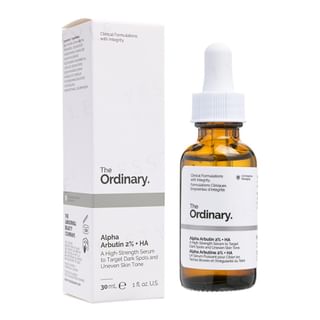
YesStyle
The Ordinary Alpha Arbutin 2% + HA Serum
★★★★★ 4.5 (17 reviews on YesStyle)
R386
US$23.37 at YesStyle, checked 12 Oct 2026
View at YesStyle
YesStyle
Abib Bright Force Serum 13.0 Pump 30ml
R370
US$22.40 in YesStyle's Awin feed, 10 Jul 2026
View at YesStyle
Stylevana
ANUA Rice 70 Glow Milky Toner - 40ml
R74
US$4.50 in Stylevana's Awin feed, 10 Jul 2026
View at Stylevana
Stylevana
A'PIEU Hamamelis Toner - 210ml
R82
US$4.95 in Stylevana's Awin feed, 10 Jul 2026
View at Stylevana
StyleKorean
A'Pieu 18 First Toner 180ml
★★★★★ 4.6 (22 reviews on StyleKorean)
R107
US$6.50 in StyleKorean's Awin feed, 10 Jul 2026
View at StyleKorean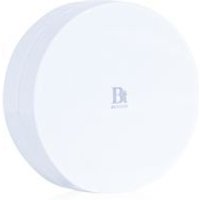
YesStyle
Benton Portable Toner Pad Case 1 pc
R120
US$7.29 in YesStyle's Awin feed, 10 Jul 2026
View at YesStyle
StyleKorean
B : Lab Matcha Hydrating Facial Toner 200ml
★★★★★ 4.6 (54 reviews on StyleKorean)
R145
US$8.80 in StyleKorean's Awin feed, 10 Jul 2026
View at StyleKorean