Guide
Retinol for beginners: how to start without wrecking your skin
Start with a low-strength retinol two nights a week, on dry skin, with moisturiser on top, and build up over about eight weeks. Wear SPF every morning, and don't use retinol if you're pregnant or trying to be.
What does retinol do?
Retinol is a form of vitamin A. Your skin converts it to retinoic acid, the active form used in prescription creams. A 2016 study compared retinol with retinoic acid on human skin and found both increased collagen-related markers, with a measurable reduction in facial wrinkles after 12 weeks of retinol use.[1] A clinical review of retinoids for skin ageing describes improvements in fine lines, rough texture and pigmentation, with irritation as the main side effect.[2]
It also helps clogged pores, which is why it turns up in acne routines.
Retinol, retinal, adapalene, tretinoin: what's the difference?
| Name | Strength | How you get it |
|---|---|---|
| Retinyl esters | Mildest | Over the counter |
| Retinol | Mild to moderate | Over the counter |
| Retinal (retinaldehyde) | Moderate | Over the counter |
| Adapalene | Moderate, aimed at acne | Pharmacy; check with your pharmacist |
| Tretinoin | Strongest | Prescription |
A 12-week start plan
Weeks 1 and 2
Two nights a week, for example Monday and Thursday. Wash, wait until your face is completely dry, then apply a pea-sized amount for the whole face. Moisturiser on top. Keep it away from the corners of your nose and mouth.
Weeks 3 to 6
Move to every second night if there's no peeling or burning. Some dryness is normal. Stinging that lasts longer than a few minutes isn't; drop back to the previous step for a week.
Weeks 7 to 12
Every night if your skin is calm. Many people stay at every second night for good, and that's fine. Consistency matters more than frequency.
Which retinol should you buy first?
Low strength in a buffered formula. "Buffered" means it comes with moisturising ingredients such as squalane or ceramides that soften the irritation. A 0.2% to 0.3% retinol is a sensible first purchase. Save 1% for after a few months, once you know how your skin reacts.
If you already use The Ordinary Niacinamide 10% + Zinc 1% Serum (R190 at YesStyle), keep it. It goes well with retinol. Our serums page lists what's available with photos and prices.
Retinol and South African sun
Retinol makes skin more sensitive to sun, and SA's UV is extreme for much of the year. The AAD recommends broad-spectrum SPF 30 or higher for everyone.[3] On retinol, we'd treat SPF 50 every morning as part of the treatment. Read the sunscreen guide before you start.
Some people start retinol in autumn or winter, when UV is lower and it's easier to stay out of the sun while their skin adjusts. That's a sensible approach in Gauteng.
What not to mix with retinol
- Strong AHAs or BHAs on the same night. Alternate nights instead.
- Benzoyl peroxide at the same time can deactivate some retinoids. Use it in the morning.
- Scrubs, peels and waxing on retinol skin. Stop retinol about a week before any facial treatment or waxing.
Hyaluronic acid, ceramides and niacinamide all pair well. See the niacinamide guide.
The "retinol uglies": what's normal in the first month
Mild dryness, a bit of flaking around the nose and a few extra breakouts in weeks two to six are common. That's often called purging: retinol speeds up turnover, so clogged pores come to the surface faster. Breakouts in areas where you never get spots, burning, or swelling aren't purging. Stop, let your skin settle, and restart at a lower frequency or strength.
The "sandwich" method
If your skin is sensitive, apply a thin layer of moisturiser, then your retinol, then more moisturiser. It slightly reduces how much retinol reaches your skin, which is the point for the first few weeks.
A simple retinol routine
| Morning | Retinol night | Off night | |
|---|---|---|---|
| 1 | Gentle cleanser or water | Gentle cleanser | Gentle cleanser |
| 2 | Niacinamide (optional) | Retinol on dry skin | Hyaluronic acid on damp skin |
| 3 | Moisturiser | Moisturiser | Richer moisturiser |
| 4 | SPF 50 |
Retinol on darker skin
Retinoids can fade dark marks and even out tone on medium and deep skin. The risk is irritation: a red, angry reaction can itself leave dark patches that take months to fade. Go slower than the schedule above if you've had marks from irritation before, and never skip sunscreen.
Where to keep it
Retinol breaks down with light and heat. Keep it in its box or a drawer, not on a sunny windowsill, and close it tightly. A hot car in a Joburg or Durban summer is the worst place for it. If a clear or pale yellow formula turns dark orange, it's probably degraded.
How long until you can go stronger?
Stay on your first strength for at least three months. If your skin is calm every night by then, you can try a higher-strength retinol, a retinal, or speak to a doctor about prescription options. There's no prize for using the strongest product. A low strength used consistently does more than a high strength you keep stopping.
Retinol and other actives in one routine
You don't need to give up your other products, but spacing matters. Keep vitamin C in the morning and retinol at night. If you use an AHA or BHA exfoliant, put it on a different night from retinol. Niacinamide, hyaluronic acid and ceramides can go in the same routine as retinol without problems. Our niacinamide guide explains why that pairing works.
Can you use retinol around the eyes?
Carefully. The skin there is thin and irritates easily. Many people leave a gap around the eyes for the first two months, then dab a small amount on the outer corners, where lines show first. Some brands make eye-specific retinol products at lower strengths. If your eyelids get red, puffy or flaky, stop using retinol near them.
Is retinol worth it if you're in your twenties?
If you have clogged pores, acne or early sun damage, yes. If your skin is clear and you're mainly thinking about prevention, daily SPF 50 does more for future lines and spots than retinol does. Start retinol when you have something specific you want it to treat.
Whatever your age, the first purchase should be a sunscreen you like wearing. Retinol comes second.
Who should skip retinol
- Pregnant or trying to conceive: don't use retinoids. Ask your doctor about alternatives such as azelaic acid.
- Active eczema or rosacea flares: wait until things settle, then talk to a dermatologist.
- Under 18 with no acne: you don't need it yet. Sunscreen does more.
What results to expect
Texture and clogged pores often improve within a couple of months. Fine lines and dark spots took 12 weeks or longer in the studies.[1][2] Take a photo in the same spot and light at the start.
Quick answers
Should I put retinol on before or after moisturiser?
On clean, dry skin, then moisturiser on top. If it irritates you, try moisturiser first, then retinol, then a little more moisturiser.
Can I use retinol in the morning?
Use it at night. Light breaks some retinol down, and your skin is less exposed to sun overnight.
Sources
- Kong R et al. A comparative study of the effects of retinol and retinoic acid on human skin. J Cosmet Dermatol, 2016
- Mukherjee S et al. Retinoids in the treatment of skin aging. Clin Interv Aging, 2006
- American Academy of Dermatology: Sunscreen FAQs
Product links go to the retailer and may earn us a commission. Prices show the source and the date we checked them. Affiliate disclosure.
Products in this guide
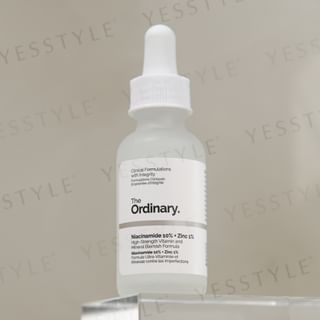
YesStyle
The Ordinary Niacinamide 10% + Zinc 1% Serum
★★★★★ 4.6 (560 reviews on YesStyle)
R190
US$11.52 at YesStyle, checked 12 Oct 2026
Also at Takealot R130 (30ml) · 12 Oct 2026
View at YesStyle
Stylevana
ANUA Rice 70 Glow Milky Toner - 40ml
R74
US$4.50 in Stylevana's Awin feed, 10 Jul 2026
View at Stylevana
Stylevana
A'PIEU Hamamelis Toner - 210ml
R82
US$4.95 in Stylevana's Awin feed, 10 Jul 2026
View at Stylevana
StyleKorean
A'Pieu 18 First Toner 180ml
★★★★★ 4.6 (22 reviews on StyleKorean)
R107
US$6.50 in StyleKorean's Awin feed, 10 Jul 2026
View at StyleKorean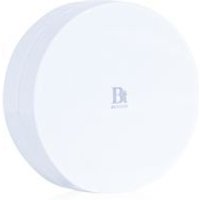
YesStyle
Benton Portable Toner Pad Case 1 pc
R120
US$7.29 in YesStyle's Awin feed, 10 Jul 2026
View at YesStyle
StyleKorean
B : Lab Matcha Hydrating Facial Toner 200ml
★★★★★ 4.6 (54 reviews on StyleKorean)
R145
US$8.80 in StyleKorean's Awin feed, 10 Jul 2026
View at StyleKorean
Jolse
Cosrx Full Fit Propolis Synergy Toner 50ml
R149
US$9.00 in Jolse's Awin feed, 10 Jul 2026
View at Jolse
Stylevana
ANUA Rice 70 Glow Milky Toner - 150ml
R150
US$9.10 in Stylevana's Awin feed, 10 Jul 2026
View at Stylevana