Guide
Acne-prone skin: an over-the-counter routine that's worth six weeks
For mild breakouts, use a gentle cleanser, one acne active such as salicylic acid, a non-comedogenic moisturiser and SPF, and give it six to eight weeks. Painful cysts, scarring, or acne that doesn't improve in three months need a doctor.
What counts as "mild" acne?
Blackheads, whiteheads and a few red bumps that come and go are usually mild. Deep, painful lumps under the skin, or breakouts that leave pitted scars, aren't. Those need prescription treatment, and the earlier you get it, the less scarring you'll have. In South Africa, a GP can prescribe first-line treatments and refer you to a dermatologist.
Step 1: wash gently, twice a day
The AAD advises washing twice a day and after sweating, with fingertips rather than a cloth, and warns that scrubbing makes acne worse.[1] Rinse with lukewarm water. Pat dry.
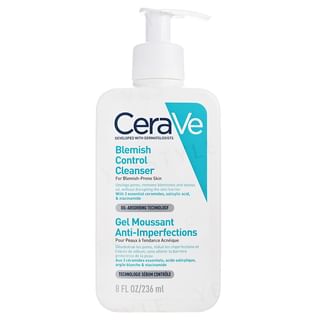
A salicylic acid cleanser does double duty here. Salicylic acid is oil-soluble, so it can work inside pores, and a 2015 review describes it as useful for comedonal acne with good tolerance across skin types.[2] CeraVe Blemish Control Cleanser (R408 at YesStyle) uses it. Leave the lather on for about 30 seconds before rinsing.
Step 2: one active at a time
Over-the-counter acne actives include salicylic acid, benzoyl peroxide, adapalene and azelaic acid. You don't need all of them. Start with one, and if your cleanser already has salicylic acid, that may be enough for the first month.
Where niacinamide fits
Niacinamide isn't an acne treatment on its own, but it helps with two things acne-prone skin deals with: oil and the dark marks breakouts leave. A 2% formula lowered surface oil in clinical testing.[3] Lab and clinical work also shows niacinamide reduces pigment transfer, which is why it can fade post-acne marks over time.[4] The Ordinary Niacinamide 10% + Zinc 1% Serum (R190 at YesStyle) is the common starting point.
Step 3: moisturiser that won't clog pores
Acne treatments dry the skin. Without moisturiser, many people quit them in week two because of peeling. The AAD recommends products labelled non-comedogenic or "won't clog pores".[1] A gel or light lotion is enough.
Step 4: sunscreen every morning
Sun makes post-acne marks darker and slower to fade, especially on medium and deep skin tones. Use an oil-free SPF 50; our SA sunscreen guide lists options that don't feel greasy.
A sample acne-prone routine
| Weeks | Morning | Night |
|---|---|---|
| 1–4 | Gentle cleanser, moisturiser, SPF | Salicylic cleanser, moisturiser |
| 5–8 | Same, add niacinamide | Salicylic cleanser, niacinamide, moisturiser |
| 9+ | Same | Consider adapalene or retinol on alternate nights |
How long until it works?
The AAD says it can take several weeks to a few months to see a difference.[1] Expect some purging or dryness in the first fortnight with salicylic acid or retinoids. Don't add new products during that time, or you won't know what's helping.
Habits that matter as much as products
- Don't pick or squeeze. It pushes inflammation deeper and makes dark marks last longer.[1]
- Wash pillowcases weekly and phone screens often.
- Check your hair products. Oils and pomades along the hairline cause breakouts on the forehead.
Which acne active should you choose?
| Active | Best for | Common side effects |
|---|---|---|
| Salicylic acid | Blackheads, whiteheads, oily skin | Dryness, mild stinging |
| Benzoyl peroxide | Red, inflamed spots | Dryness; bleaches towels and pillowcases |
| Adapalene | Clogged pores, prevention | Dryness and peeling for the first few weeks |
| Azelaic acid | Red marks, dark marks, sensitive skin | Tingling at first |
Benzoyl peroxide and adapalene are available from South African pharmacies; ask the pharmacist which strength suits you. Prescription options such as stronger retinoids, antibiotics or hormonal treatment need a doctor.
Acne on darker skin: the marks often last longer than the spots
On medium and deep skin, a pimple often leaves a brown or dark mark that lasts for months. This is post-inflammatory hyperpigmentation, not a scar. Two things help it fade: preventing new spots and daily sunscreen. Niacinamide can help too, as it reduces pigment transfer in skin.[4] Picking spots makes these marks worse and longer-lasting.
Body acne
Chest and back breakouts respond to the same ingredients. A salicylic acid or benzoyl peroxide body wash, left on for a minute before rinsing, is the easiest way to treat them. Shower soon after gym sessions, and change out of sweaty clothes.
Makeup and acne
You don't have to stop wearing makeup. Choose products labelled non-comedogenic, clean brushes weekly, and remove everything at night.[1] A cleansing balm or micellar water before your normal cleanser removes long-wear foundation and sunscreen properly.
What doesn't help
- Toothpaste on spots. It irritates and can burn.
- Washing three or four times a day.[1]
- Switching products every week. You'll never know what worked.
- Scrubs with rough grains on active breakouts.
Hormones, diet and stress
Breakouts along the jaw and chin that flare before a period are often hormonal. Over-the-counter routines help, but hormonal acne often needs a doctor's input, and options include some contraceptive pills and other prescription treatments. The evidence linking diet to acne is mixed. Some people notice a link with high-sugar foods or dairy; if you suspect one, cut it for six weeks and compare photos rather than guessing.
Stress doesn't cause acne on its own, but it can make existing breakouts worse, and stressed people pick more. A routine you can do in three minutes when you're tired is better than an ambitious one you abandon.
Building the routine without irritating your skin
The most common reason acne routines fail is doing too much at once. Start with cleanser, moisturiser and sunscreen. Add one active, wait four weeks, then decide whether to add a second. If your skin stings when you apply plain moisturiser, stop all actives for a week. A calm, consistent routine beats a harsh one every time.
Keep the products in the order you use them on the basin. It sounds minor, but it helps on the nights you'd rather skip the whole thing.
When to see a doctor in South Africa
A GP can prescribe topical retinoids, combination gels and oral treatments, and refer you to a dermatologist for severe or scarring acne. If cost is an issue, state hospitals with dermatology departments see patients on referral. Don't wait for scars to form: earlier treatment means less permanent damage.
Does sunscreen cause breakouts?
Some do, usually heavy creams or ones with lots of oils. That's not a reason to skip it. Try a fluid or gel labelled non-comedogenic, and wash it off properly at night.[1]
If you need water resistance for sport or the beach, look for "water resistant" on the label and reapply after swimming or towelling off, as the AAD advises.[5]
Who this routine suits, and who should skip it
- Suits: blackheads, whiteheads, occasional red spots, post-acne marks.
- Skip salicylic acid if you're allergic to aspirin, and check with a doctor about acids during pregnancy.
- See a GP or dermatologist for cysts, scarring, acne that started suddenly in adulthood, or breakouts with irregular periods.
Browse cleansers and serums, or start with the budget routine if you're buying for the first time.
Quick answers
How long does salicylic acid take to work?
Usually four to eight weeks of consistent use. Expect some dryness in the first two weeks.
Can I use niacinamide and salicylic acid together?
Yes. Use the salicylic acid cleanser first, then the niacinamide serum, then moisturiser.
Sources
- American Academy of Dermatology: Acne tips for managing
- Arif T. Salicylic acid as a peeling agent: a comprehensive review. Clin Cosmet Investig Dermatol, 2015
- Draelos ZD et al. The effect of 2% niacinamide on facial sebum production. J Cosmet Laser Ther, 2006
- Hakozaki T et al. The effect of niacinamide on reducing cutaneous pigmentation. Br J Dermatol, 2002
- American Academy of Dermatology: How to apply sunscreen
Product links go to the retailer and may earn us a commission. Prices show the source and the date we checked them. Affiliate disclosure.
Products in this guide
YesStyle
CeraVe Blemish Control Cleanser
★★★★★ 5.0 (3 reviews on YesStyle)
R408
US$24.70 at YesStyle, checked 12 Oct 2026
Also at Takealot R285 (236ml) · 12 Oct 2026
View at YesStyle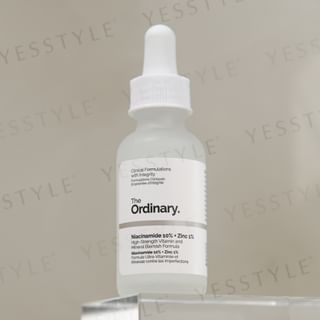
YesStyle
The Ordinary Niacinamide 10% + Zinc 1% Serum
★★★★★ 4.6 (560 reviews on YesStyle)
R190
US$11.52 at YesStyle, checked 12 Oct 2026
Also at Takealot R130 (30ml) · 12 Oct 2026
View at YesStyle
Stylevana
A'PIEU Deep Clean Bubble Foam - 200ml
R80
US$4.86 in Stylevana's Awin feed, 10 Jul 2026
View at Stylevana
StyleKorean
A'Pieu Deep Clean Foam Cleanser (Whipping)
★★★★★ 5.0 (5 reviews on StyleKorean)
R91
US$5.50 in StyleKorean's Awin feed, 10 Jul 2026
View at StyleKorean
StyleKorean
A'Pieu Deep Clean Foam Cleanser (Pore)
★★★★★ 4.9 (19 reviews on StyleKorean)
R92
US$5.60 in StyleKorean's Awin feed, 10 Jul 2026
View at StyleKorean
Stylevana
ANOTHERFACE Peptathenol Aqua Balance Cleansing Foam - 150ml
R94
US$5.69 in Stylevana's Awin feed, 10 Jul 2026
View at Stylevana
StyleKorean
Ariul Stress Relieving Pureful Cleansing Tissue 80sheets
★★★★★ 4.5 (19 reviews on StyleKorean)
R117
US$7.10 in StyleKorean's Awin feed, 10 Jul 2026
View at StyleKorean
StyleKorean
A'Pieu Madecassoside Cleansing Foam 130ml
★★★★★ 4.6 (28 reviews on StyleKorean)
R119
US$7.20 in StyleKorean's Awin feed, 10 Jul 2026
View at StyleKorean